Common Homeowner Questions Answered: Why Is There a Burning Smell During My October Heating Startup?
Common Homeowner Questions Answered: Why Is There a Burning Smell During My October Heating Startup?
Smelling smoke during your fall heating startup? Get common homeowner questions answered. See why dust burn-off happens and when to call a pro on this.
That Alarming Burning Smell: What Happens When You Switch from Cool to Heat?
Is your heater actually malfunctioning, or is that strange odor just a normal part of the season change? This is one of the most common homeowner questions answered by HVAC professionals every autumn. You switch your thermostat from cool to heat for the very first heating startup in October, and within minutes, an unsettling burning smell drifts out of the vents. It is incredibly common to feel a sudden spike of anxiety when this happens. After all, a burning odor inside your house is usually a serious warning sign.
After relying heavily on your cooling system for months, it is time to shift gears. Whether you recently scheduled a routine AC maintenance plan or you are looking at comprehensive air conditioning services to wrap up the cooling season, understanding what happens when your heating elements finally activate can save you a lot of unnecessary panic. The short answer is that most initial odors are a normal mechanical reality, not an immediate fire hazard.
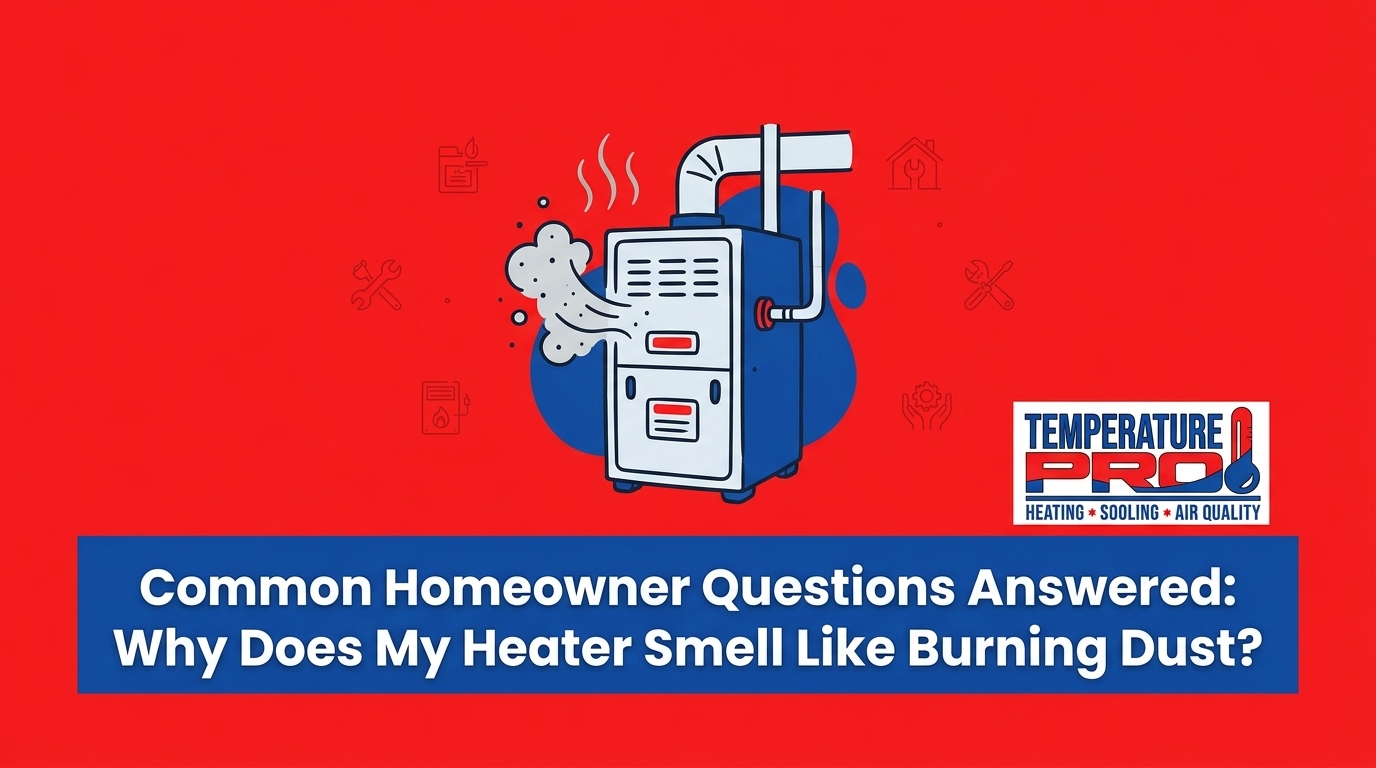
During the long summer months, your HVAC system's blower motor works tirelessly to push conditioned air through your home. However, the specific components responsible for generating heat—such as the gas heat exchanger or the electric heating strips—sit completely dormant. Because these heating elements remain cold and inactive, they become a resting place for airborne particles. When the system finally calls for heat, the sudden spike in temperature reacts with that accumulated debris.
What exactly is happening inside the unit?
• Dormant heating elements: The components that generate heat have not been activated in months.
• Dust accumulation: Household dust, pet dander, and lint settle on these cold surfaces.
• Rapid temperature increase: When activated, the elements heat up rapidly, instantly baking the settled particles.
• Ventilation distribution: The blower motor pushes the resulting odor directly into your living spaces.
Understanding this basic mechanical process is the first step in troubleshooting the issue. By knowing how your dual-function HVAC system operates, you can approach that initial burning smell with calm awareness rather than immediate alarm.
The Mechanical Reality of the Baton Rouge Cooling Season
The physics of dust accumulation on heating elements are directly tied to the specific regional climate you live in. In the southern United States, the cooling season is notably extreme. The Baton Rouge climate dictates an extended period where air conditioning is not just a luxury, but a daily necessity. This heavy reliance on cooling creates a unique environment inside your HVAC cabinet.
Because the local cooling season often stretches from early March all the way through late October, your heating components sit completely dormant for 7 to 9 months. During this extended period, your system cycles thousands of times to keep the house cool. Even with a high-quality air filter in place, microscopic airborne dust, pet dander, pollen, and household particles inevitably slip through and settle on the cold heat exchangers and electrical heating strips.
When the first real cold snap hits and you switch the thermostat to heat, those dormant elements rapidly climb to hundreds of degrees. The burning smell you detect is simply the organic incineration of this accumulated dust. It is essentially toasting the debris that has gathered over the better part of a year. Because the Baton Rouge cooling season is so long, the layer of dust is often thicker than it would be in northern climates, making that initial startup odor much more pronounced.
To put this into perspective, we can compare the realities of summer breakdowns versus fall startups. Knowing what to do when your AC stops working in summer usually involves addressing mechanical failures, refrigerant issues, or electrical shorts. In contrast, a fall startup odor is rarely a breakdown at all; it is a standard operational byproduct of the climate cycle.
• Heating Elements — Summer Cooling Season: Completely inactive and cold; collecting airborne dust. — First Fall Heating Startup: Rapidly heating to high temperatures; incinerating dust.
• Common Odors — Summer Cooling Season: Musty smells (if drainage is clogged) or no odor. — First Fall Heating Startup: Toasted, dusty, or slightly organic burning smells.
• Primary Concern — Summer Cooling Season: Refrigerant leaks, worn capacitors, or clogged condensate lines. — First Fall Heating Startup: Harmless dust burn-off versus actual electrical melting.
• Homeowner Action — Summer Cooling Season: Requires immediate professional repair for comfort and safety. — First Fall Heating Startup: Monitor for 30 minutes to allow natural dust burn-off.
Recognizing the mechanical reality of your local climate helps contextualize the problem. The longer the cooling season, the more pronounced the dust burn-off will be. It is a natural consequence of keeping your home comfortable through the long, humid summer.
The 30-Minute Rule: Dust Burn-Off vs. Electrical Danger
While understanding the cause of the smell is comforting, you still need a clear, actionable threshold to evaluate the safety of your system. This is where the "30-Minute Rule" comes into play. Harmless dust burn-off odors typically dissipate within 30 minutes of the first heating cycle. If the smell is just organic dust incinerating on the heat exchanger, it will run its course relatively quickly.
However, it is vital to distinguish between the smell of burning dust and the smell of actual danger. Burning dust is often described as smelling toasted, slightly organic, or similar to a hot clothes iron. On the other hand, a dangerous electrical issue will smell like burning plastic, melting rubber, or sharp ozone. If you notice the latter, the 30-minute rule does not apply—you must take immediate action.
Follow these numbered steps to safely evaluate the startup odor:
1. Identify the exact odor profile: Take a moment to classify the smell. If it smells like toasted lint or hot dust, proceed to the next step. If it smells like melting plastic, electrical sparking, or acrid smoke, shut the system off immediately at the thermostat.
2. Note the starting time: Look at the clock the moment the heating cycle begins and the smell becomes noticeable. You need an accurate baseline for the 30-minute window.
3. Ventilate the living space: Open a few windows or doors to allow fresh air to circulate. This helps clear the initial wave of incinerated dust from your home and makes it easier to tell if the system is continuing to produce the odor.
4. Monitor the system closely: Stay near the vents and the thermostat. Listen for any unusual sounds like grinding, loud popping, or continuous clicking, which could indicate a mechanical failure.
5. Make the 30-minute decision: If the smell fades away completely within half an hour, your system has successfully burned off the dormant dust. If the odor persists beyond 30 minutes, grows stronger, or changes in character, turn off the heater and contact a licensed professional.
This structured approach prevents unnecessary panic while keeping your home perfectly safe. You are giving the system the necessary time to clear its dormant dust while maintaining a strict boundary for when professional intervention is required.
The 30-Minute Rule: Heating Startup Odor Diagnostic Guide
Common Homeowner Questions Answered: Fall HVAC Startup FAQ
When the temperature drops and the vents start emitting strange smells, homeowners naturally have a lot of questions. Serving as a core diagnostic hub, this section directly answers the most common panic-searches during the fall startup. Remember, while knowledge is power, you should never attempt to open the internal furnace cabinet or expose high-voltage electrical elements yourself. Always leave internal cabinet inspections to licensed professionals.
Why does my heater smell like burning plastic?
A plastic smell is not normal dust burn-off and should be treated as an immediate red flag. This specific odor usually indicates that something inside the HVAC cabinet or ductwork is actively melting. Potential causes include a foreign object (like a child's toy or construction debris) that has fallen into the ductwork and is resting against a hot element. Alternatively, it could be failing electrical components, such as melting wire insulation or a failing capacitor. If you smell burning plastic, shut off the system at the thermostat immediately and call a professional for a thorough safety inspection.
Is it safe to run a heater if it smells like burning?
The safety of running the heater depends entirely on the context and the type of smell. Yes, it is generally safe if it is the very first startup of the season, the smell is strictly organic burning dust, and it lasts less than 30 minutes. The system is simply clearing off the debris from the long cooling season. However, the answer is an absolute no if the smell is accompanied by visible smoke, electrical popping sounds, tripped circuit breakers, or if the odor persists longer than the 30-minute window. In those scenarios, running the heater poses a significant safety risk.
Can a dirty air filter cause a burning smell?
Yes, a severely clogged air filter can absolutely cause a burning smell, and it is one of the most common preventable issues in HVAC maintenance. When an air filter is entirely blocked by dirt and debris, it severely restricts the airflow moving through the system. Without sufficient airflow to disperse the heat, the internal heat exchanger or the blower motor can quickly overheat. This overheating produces a distinct burning smell and can cause the system's safety limit switches to trip. We strongly recommend checking and changing your air filter before initiating the first fall heating startup to ensure proper airflow and prevent mechanical strain.
Applying Military Precision to HVAC Diagnostics
When faced with a potential home emergency, jumping to conclusions can lead to unnecessary panic or misdiagnosed systems. Working with a veteran-owned company means applying military precision to everyday problems. This differentiator translates into a disciplined, methodical approach to troubleshooting odors without panic. It is about prioritizing safety, maintaining operational discipline, and following a strict checklist before escalating the situation.
Consider how this structured discipline applies in real-world, high-stress scenarios. One customer reached out on a Saturday evening as a major hurricane approached because their AC unit was not cooling properly due to a refrigerant leak. A technician arrived late that evening before the storm hit, calmly and methodically diagnosed the leak, added refrigerant, and restored the system, providing immense relief. That exact same calm, step-by-step operational discipline should be applied when you smell burning dust during a fall startup.
Your disciplined diagnostic checklist:
• Verify the thermostat setting: Confirm that the system is intentionally set to "Heat" and that the temperature setpoint is higher than the current room temperature.
• Log the timeline: Note the exact minute the heating cycle initiated and the odor became noticeable.
• Classify the threat: Assess the odor type immediately. Is it harmless toasted dust, or is it a hazardous electrical melting smell?
• Execute the 30-minute hold: If the smell is dusty, hold your position and monitor the system for exactly 30 minutes while ventilating the area.
• Assess system behavior: Watch for secondary symptoms like short-cycling, strange noises, or tripped electrical breakers at the main panel.
By following a strict procedure, you remove the guesswork from the equation. If you are ever unsure about the symptoms your system is displaying, utilizing an interactive HVAC troubleshooter can help you systematically rule out common issues before booking a service call. Precision diagnostics save time, reduce stress, and ensure that when a technician is dispatched, they already have a clear operational picture.
When to Call a Professional in Your Area
While the 30-minute rule and a disciplined checklist empower you to handle basic dust burn-off, it is equally important to define the boundaries of homeowner troubleshooting. There is a hard line between monitoring a normal startup sequence and attempting to diagnose a mechanical failure. You should never attempt DIY repairs on high-voltage heating elements, blower motors, or gas heat exchangers. The risks of electrical shock, fire, or carbon monoxide exposure are simply too high.
Immediate red flags that require a licensed technician:
• Tripped electrical breakers: If turning on the heater causes the circuit breaker to trip, do not reset it repeatedly. This indicates a serious electrical short.
• Visible smoke: Dust burn-off may create a smell, but it should never create visible plumes of smoke in your living space or near the vents.
• Persistent electrical odors: Any smell of ozone, melting rubber, or burning plastic that does not dissipate immediately requires professional intervention.
• Loud mechanical noises: Grinding, screeching, or heavy banging sounds suggest failing motor bearings or broken internal components.
When these red flags appear, the right next step is to shut the system down and rely on a trusted professional who knows your local service areas. An independent, professional inspection ensures that your system is operating safely, efficiently, and effectively for the upcoming winter. A licensed technician has the specialized tools to test electrical draws, inspect heat exchangers for microscopic cracks, and verify that all safety limit switches are functioning properly.
Ensure a Safe and Odor-Free Heating Season
Transitioning from a long cooling season to the first crisp days of fall should be a comfortable experience, not a stressful one. To summarize, a brief burning dust smell in October is a completely normal part of home ownership. The extended period of inactivity allows dust to settle, and the initial heat cycle simply burns it away. By understanding the mechanical reality of your system and applying the 30-minute rule, you can navigate this seasonal shift with confidence and peace of mind.
If you want to bypass the startup anxiety entirely next year, proactive care is the best strategy. We encourage readers to explore routine maintenance options to prevent future startup surprises. A thorough pre-season cleaning removes the accumulated dust before the system is ever turned on, ensuring your heating elements are clean, safe, and ready to keep your home warm all winter long.
Frequently Asked Questions
Why does my heater smell like burning?
The most common reason a heater smells like burning is the incineration of accumulated dust on the heating elements. Because the system sits dormant for months during the cooling season, household dust and pet dander settle inside the cabinet. When the heater is turned on for the first time, the high temperatures quickly toast this debris, creating a noticeable but harmless odor.
How long does the burning smell last when you turn on the heater?
A normal dust burn-off smell typically lasts between 15 and 30 minutes during the first heating cycle of the season. Once the accumulated dust has been fully incinerated, the odor will naturally fade away. If the smell persists for longer than half an hour, it may indicate a larger issue that requires professional attention.
Is it safe to run a heater if it smells like burning?
It is generally safe to run the heater if it is the first startup of the fall and the smell is strictly a dusty, organic odor. This is a normal part of the seasonal transition. However, if the smell is accompanied by smoke, electrical popping, or smells like melting plastic, it is not safe and you should turn the system off immediately.
What does an electrical fire smell like in a vent?
An electrical fire in a vent produces a sharp, acrid odor that is very different from burning dust. It often smells like melting plastic, burning rubber, or strong ozone. This distinct smell indicates that wire insulation or electrical components are actively overheating and melting, requiring immediate shutdown and professional repair.
When should I worry about my heater smelling like burning?
You should worry if the burning smell lasts longer than 30 minutes, grows increasingly stronger, or changes from a dusty smell to an electrical odor. Additionally, if the smell is accompanied by tripped circuit breakers, visible smoke, or loud grinding noises, these are serious warning signs. In any of these scenarios, shut the system off and contact a licensed HVAC technician.
Can I clean the heating elements myself to stop the smell?
No, homeowners should never open the internal furnace cabinet to clean the heating elements themselves. The internal components involve high-voltage electricity and delicate gas valves that pose significant safety hazards if mishandled. Always hire a licensed professional to perform internal cabinet cleaning and maintenance.
Thank you! Your submission has been received!
Oops! Something went wrong while submitting the form.
Is that fall furnace odor normal? See common homeowner questions answered, including why your heater smells like burning dust and when to shut the system down.
Why we check for dormant summer wear. Use our home maintenance tips and troubleshooting steps to see if your furnace is ready for the first fall cold snap.