Overcoming Poor Duct Insulation in Zachary Attics That Reach 130 Degrees
Overcoming Poor Duct Insulation in Zachary Attics That Reach 130 Degrees
If your AC struggles to cool your Zachary home in late August, degraded duct insulation in a 130-degree attic is likely the culprit. Upgrading this thermal barrier restores your comfort.
The Reality of Extreme Heat in Unconditioned Spaces
Nearly 75% of the cooling power your air conditioner produces can be lost before it ever reaches your living room if you are dealing with a hostile attic environment. Here at TemperaturePro Baton Rouge, we've seen firsthand how overcoming poor duct insulation in Zachary attics that reach 130 degrees is the single most effective way to restore your home's comfort during the hottest months of the year. When your system struggles to keep up with the intense late-summer heat, optimizing your HVAC systems is often the key to maximizing your air conditioning efficiency without needing a total equipment replacement.
According to the Department of Energy, unconditioned attics easily hit 130 to 150 degrees during peak summer heat. This creates a severely punishing environment for any equipment housed beneath your roof. Unfortunately, the vast majority of residential cooling infrastructure—specifically the network of supply and return ducts—runs directly through this superheated space. Your indoor air handler works hard to cool the air down to a comfortable 55 or 60 degrees, but that freshly chilled air must then travel through a blazing hot oven before it reaches your bedroom or living room vents.
This creates a critical decision point for many homeowners. When the house feels warm and the vents are barely blowing cool air, the immediate assumption is that the air conditioning compressor is failing and needs to be replaced. However, our team typically sees that the actual issue is severe thermal loss occurring right above your ceiling. The cooling equipment is doing its job perfectly, but the distribution system is bleeding that expensive cooling power into the attic. Restoring your home's comfort requires looking outside the primary unit and addressing the hidden thermal leaks that force your system to work harder than necessary.
The Physics of Thermal Loss Through Outdated Ductwork
When our technicians inspect sweltering homes during the late-summer back-to-school transition, we often have to explain the journey of conditioned air to uncover why a home feels warm despite the AC running constantly. Once the air handler cools the air, a blower motor pushes it through a network of flexible or rigid ductwork. If those ducts lack adequate thermal protection, a massive temperature exchange occurs. This process is known as thermal bridging. Heat naturally moves toward colder spaces, and when the temperature differential between the 130-degree unconditioned attics and the 55-degree air inside the duct is extreme, the heat aggressively pushes its way inside.
Continuous exposure to this extreme heat physically breaks down older insulation materials. Over the years, the intense baking effect in the attic compresses the fiberglass, dries out the outer vapor barrier, and causes the insulation to lose its loft. What was once a protective barrier turns into a thin, brittle shell. This degraded R-4 duct insulation offers almost no resistance to the surrounding heat. As the cold air travels through these compromised sections, it absorbs the attic heat, warming up significantly before it ever reaches your vents.
Because the air arriving in your living space is no longer cold enough to satisfy the thermostat setting, your compressor is forced to run continuously. This non-stop operation wastes massive amounts of energy, drives up your utility bills, and puts unnecessary wear and tear on your mechanical equipment, drastically shortening its lifespan.
How Heat Penetrates Thin Insulation Barriers
Insulation is measured by its R-value, which stands for thermal resistance. A higher R-value means the material is thicker and better at stopping heat transfer. Think of it like a winter coat: a thin windbreaker might block a breeze, but you need a heavy down jacket to stop freezing temperatures. The same principle applies to your ductwork in reverse.
• Degraded R-4 — Thermal Resistance: Very Low — DOE Recommendation: Obsolete for hot climates — Impact on Cooling Performance: Allows massive heat transfer, warming cooled air rapidly
• Modern R-8 — Thermal Resistance: High — DOE Recommendation: Standard for unconditioned spaces — Impact on Cooling Performance: Blocks attic heat, delivering cold air efficiently to vents
The thermal impact: When cold air travels through ductwork wrapped in degraded R-4 insulation, it can gain several degrees of heat for every ten linear feet it travels. If your bedroom is thirty feet away from the air handler, the air arriving at that vent might be 10 to 15 degrees warmer than when it started. Modern Department of Energy recommendations strongly advise upgrading to R-8 insulation to stop this rapid temperature rise and protect your cooling investment.
Thermal Loss in Hot Attics: R-4 vs. R-8 Insulation
Why the Local Architecture Amplifies Cooling Challenges
The construction styles of established neighborhoods throughout the region play a massive role in how your home handles the summer heat. Many of the older homes in Zachary were built during an era when building codes and energy efficiency standards were vastly different. At the time of construction, local codes often only required minimal duct insulation, such as the standard R-4 wrapping. While that might have been considered acceptable decades ago, it is entirely insufficient for our modern climate realities.
In our years of serving the Baton Rouge area, we've learned that South Louisiana experiences a specific combination of intense solar radiation and high humidity that creates a uniquely punishing environment for attic infrastructure. The sun beats down on traditional asphalt shingle roofs all day long. Because many of these historic and mid-century home designs feature specific roof pitches with limited ventilation—often lacking adequate ridge vents or soffit airflow—the hot air becomes trapped. The attic effectively turns into an oven, baking the ductwork and the insulation wrapped around it from sunrise to sunset.
Addressing these specific architectural challenges requires localized expertise. A one-size-fits-all approach to HVAC repair does not work when dealing with the unique heat loads of our regional housing stock. Understanding how the specific rooflines, historical building materials, and local weather patterns interact is crucial. If you live in Zachary and surrounding service areas, evaluating the structural environment of your attic is just as important as checking the mechanical components of your air conditioner.
The False Alarm: Struggling Equipment vs. Compromised Ducts
When the indoor temperatures start creeping up, the symptoms are usually obvious. Your air conditioner runs constantly from noon until midnight, the airflow coming out of the registers feels weak, and certain rooms—especially those farthest from the indoor unit—never seem to cool down. Faced with these frustrating issues, homeowners frequently, and incorrectly, assume their compressor is on its last legs and prepare themselves for a massive replacement project.
This is where a diagnostic-first approach becomes vital. As a veteran-owned business serving the local community, TemperaturePro Baton Rouge believes in providing honest assessments and second opinions rather than pushing for immediate, unnecessary equipment replacements. Before condemning a functioning air conditioning unit, a thorough evaluation of the ductwork is a critical step in responsible system troubleshooting.
During routine spring and summer tune-ups, our technicians frequently encounter systems that appear to be failing but actually just require targeted intervention. For example, while servicing a multi-unit A/C system recently, we found that thoroughly cleaning the coils—which needed extra attention—was all it took to restore performance. By clearly explaining potential future issues to the homeowner, we helped them avoid a mid-summer panic. We bring this exact same diagnostic-first mindset to evaluating ductwork.
If your system is producing cold air at the source but blowing warm air at the vents, the equipment is likely fine. The distribution system is simply failing to protect that cold air. By focusing on reducing cooling costs through targeted insulation upgrades, you can often restore your home's comfort without replacing the actual machinery.
Compounding the Problem: Humidity and Sweating Ducts
Beyond the immediate loss of cooling power, our crews frequently get calls about ceiling stains that point to a secondary, highly destructive consequence of poor insulation: moisture. South Louisiana is famous for its extreme humidity levels, and this moisture-heavy air creates a severe hazard when it interacts with failing ductwork. This interaction triggers the dew point phenomenon, a physical reaction that can cause extensive damage to your home.
Understanding the dew point:
• The trigger: When the cold, poorly insulated metal of your ductwork meets the hot, heavily humid air of the attic, condensation forms instantly.
• The reaction: This is the exact same process that causes a glass of ice water to sweat when you set it outside on a July afternoon.
• The damage: This duct sweating drips onto surrounding attic materials, soaking ceiling drywall, rotting wood framing, and further degrading whatever remains of your old insulation.
Once fiberglass insulation becomes wet, it loses its thermal resistance entirely. The water compresses the air pockets that normally block heat transfer, creating a vicious cycle where the insulation fails even faster, leading to more condensation and more thermal loss.
Furthermore, excessive attic moisture connects directly to broader household concerns, including biological growth and musty odors that can seep into your living spaces. Proper insulation acts as a critical defense line for overall environmental health inside the home. By stopping condensation at the source, you protect your structural materials and safeguard your indoor air quality from the hidden hazards of a damp, sweating attic.
Professional Diagnostics and Upgrading to Modern Standards
Addressing compromised ductwork in a superheated attic is not a weekend DIY project. We always warn homeowners that it requires specialized equipment, precise calculations, and a deep understanding of airflow dynamics. Attempting to wrap ducts yourself without properly sealing the underlying metal can actually trap moisture against the duct, accelerating rust and biological growth. A professional assessment guarantees that the root cause of the thermal loss is accurately identified and resolved according to modern efficiency standards.
The professional upgrade process involves several critical steps:
1. Measuring airflow and thermal loss: Technicians use specialized tools to measure the temperature of the air as it leaves the air handler and compare it to the temperature at the furthest vent. This precise calculation reveals exactly how much cooling power is being lost to the attic.
2. Inspecting duct integrity: Before any new insulation is applied, the structural integrity of the ductwork is verified. Professionals check for disconnected joints, crushed flexible lines, and deteriorating mastic sealant.
3. Sealing the envelope: Any leaks in the ductwork are sealed using professional-grade mastic or metal-backed tape. Insulation cannot stop air leaks; the metal must be airtight before thermal protection is added.
4. Upgrading to R-8 standards: The outdated R-4 materials are safely removed or bypassed, and modern, ENERGY STAR-recommended R-8 insulation is installed. This thicker, highly efficient barrier is specifically designed for unconditioned spaces in hot climates.
5. Verifying system performance: Once the installation is complete, airflow and temperature differentials are tested again to ensure the thermal bridging has been stopped and cold air is successfully reaching the living spaces.
By utilizing specialized techniques, professionals can seal and insulate your ductwork without disrupting your existing HVAC infrastructure. Additionally, upgrading your home's energy efficiency to modern standards may qualify for certain generally applicable energy efficiency rebates or federal tax credits. Homeowners are always advised to verify current local utility programs and consult a tax professional to see how these incentives can offset the cost of upgrading.
Frequently Asked Questions About Attic Ductwork in Extreme Heat
Why is my AC struggling in late summer?
We often explain to homeowners that your AC struggles in late summer because the accumulated heat in your attic reaches its absolute peak, overwhelming the system. The continuous exposure to high temperatures degrades your duct insulation, allowing the attic heat to warm the conditioned air before it reaches your vents. The equipment works harder, but the thermal loss prevents the house from cooling down.
Is it worth insulating AC ducts in the attic?
Yes, insulating AC ducts is one of the most cost-effective ways to improve your home's comfort and energy efficiency. Proper insulation stops thermal bridging, ensuring that the cold air your system produces actually makes it into your living spaces. It reduces compressor runtime, lowers utility bills, and prevents damaging condensation.
How does hot attic temperature affect AC ductwork?
Extreme attic temperatures bake the ductwork and cause older insulation materials to dry out, compress, and lose their thermal resistance. This hostile environment forces heat into the cold air supply lines. Additionally, if the hot air is highly humid, it can cause poorly insulated metal ducts to sweat, leading to moisture damage.
What R-value is needed for attic ductwork in the South?
The Department of Energy recommends a minimum of R-8 insulation for ductwork located in unconditioned attics in hot, Southern climates. This thickness provides the necessary thermal barrier to stop 130-degree attic heat from penetrating the cold air supply lines. Older homes often only have R-4, which is insufficient for modern standards.
Can poorly insulated ducts cause my AC to run constantly?
Absolutely. When ducts are poorly insulated, the cold air absorbs heat from the attic, meaning warm air blows out of your vents. Because the thermostat never registers that the room has reached the desired temperature, it forces the AC compressor to run continuously in a futile attempt to cool the space.
How do I know if my home has degraded R-4 insulation?
If your home was built decades ago and the ductwork has never been updated, it likely has degraded R-4 insulation. Physical signs our technicians look for include thin, brittle, or flattened silver wrapping around the ducts, visible condensation dripping from the lines, and rooms that stay consistently warm despite the air conditioner running non-stop.
Securing Your Comfort for the Rest of the Summer
At TemperaturePro Baton Rouge, we know that surviving the harshest part of the cooling season requires a holistic look at your home's entire infrastructure. When late August peak heat pushes your attic temperatures to the extreme, simply forcing an aging air conditioner to work harder is a losing battle. Addressing the root cause of thermal loss through your distribution system is always more effective than ignoring the hostile environment right above your ceiling.
You do not have to settle for a house that never quite cools down. By scheduling a professional evaluation of your attic ductwork, you can identify hidden thermal leaks, stop energy waste, and restore your system's true cooling power. Reach out to your local experts to secure your comfort and ensure your home remains an oasis against the intense summer heat.
Thank you! Your submission has been received!
Oops! Something went wrong while submitting the form.
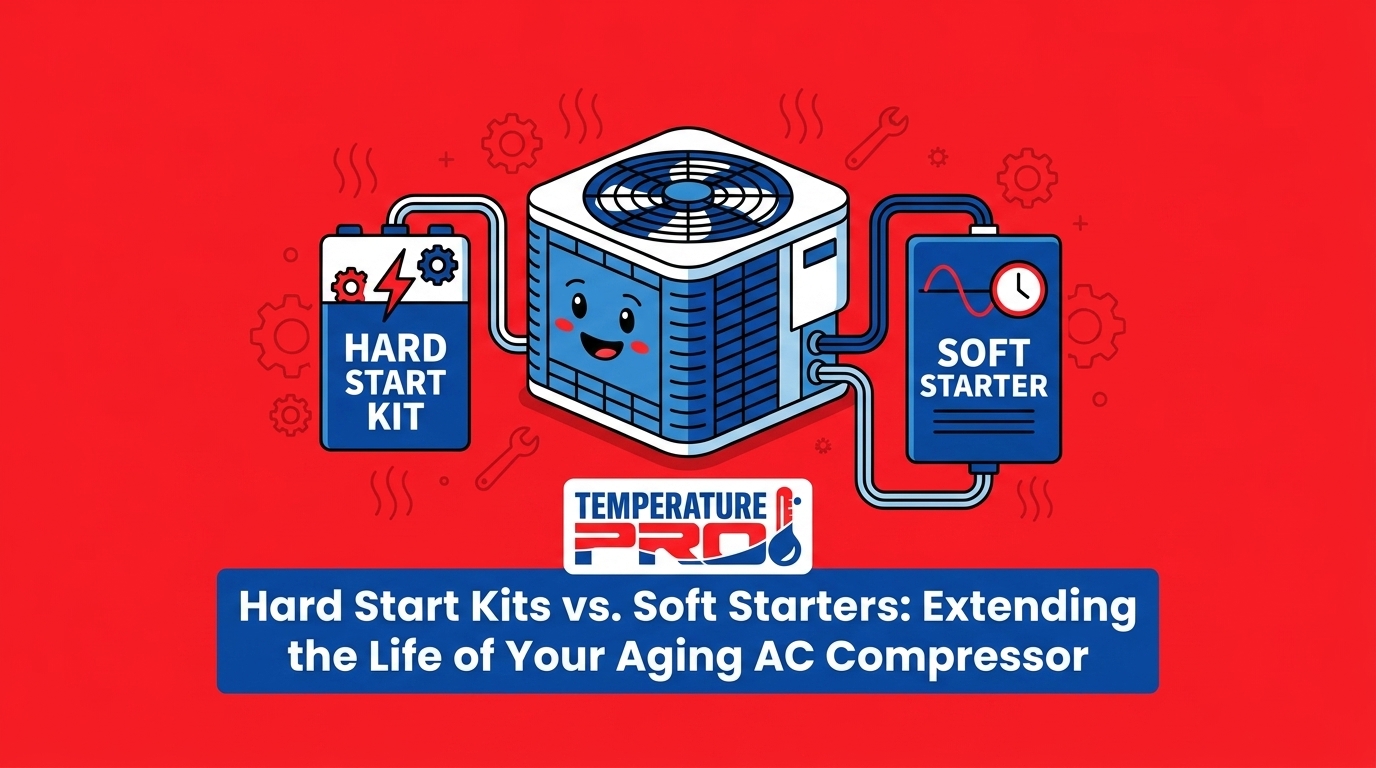
When your older AC struggles against the late-summer heat, an electrical assist can prevent a total breakdown. Find out which device your compressor actually needs to survive.
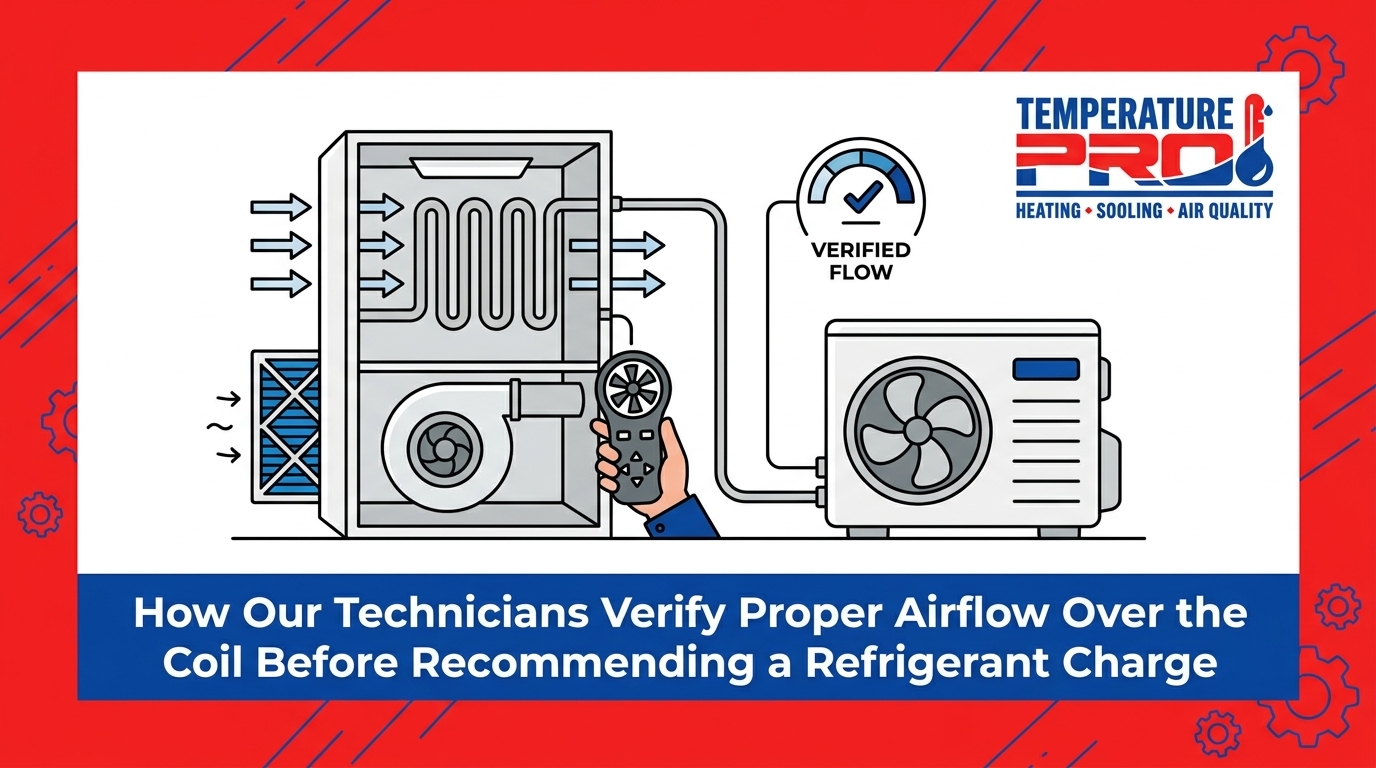
Before assuming your warm AC needs a refrigerant recharge, our technicians investigate the blower motor and ductwork. Measuring CFM airflow prevents costly misdiagnoses.
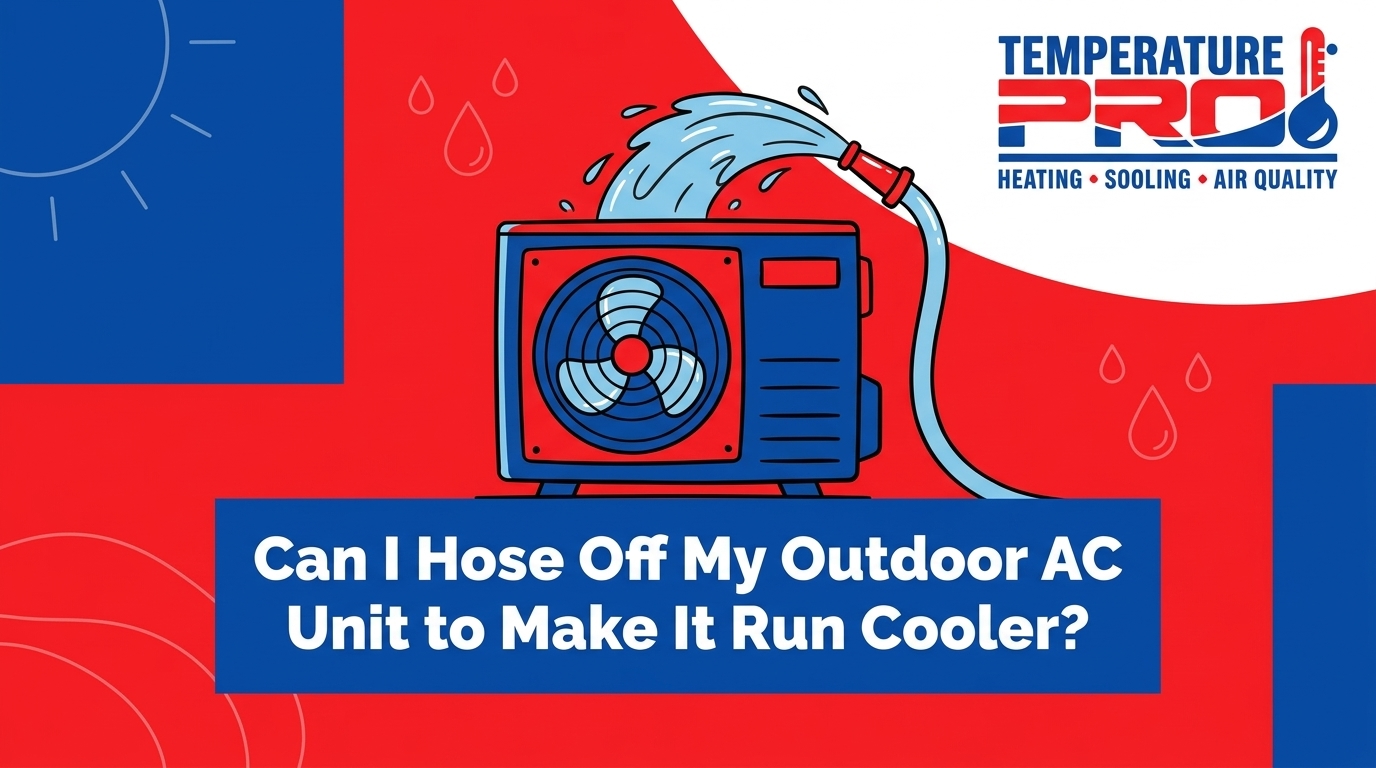
When your AC struggles in the late-summer heat, spraying it with a garden hose seems like a logical quick fix. Find out why this actually bakes mud and minerals onto your coils.