Guide
5 min read


Protect your HVAC with our hurricane season hvac preparation guide: secure units, prep for storms, and safely restart post-hurricane.
A solid hurricane season hvac preparation guide can mean the difference between a quick system restart after a storm and a costly full replacement. For homeowners and business owners in Baton Rouge, LA, hurricane season is not a distant concern — it's an annual reality that demands real, actionable preparation for one of your home's most valuable systems.
Louisiana sits squarely in the Gulf Coast's hurricane corridor. NOAA's forecasts have consistently predicted active seasons, with projections including up to 21 named storms and multiple major hurricanes reaching Category 3 or higher. When those storms hit, your HVAC system faces wind, flooding, flying debris, and power surges all at once — and nearly 90% of all electrical system issues happen when an AC unit is left running during a hurricane or thunderstorm.
Here's a quick overview of what this guide covers:
The good news? Most hurricane damage to HVAC systems is preventable. With the right steps taken early — ideally before a storm ever appears on the radar — you can protect your investment, stay comfortable faster after the storm, and avoid the weeks-long repair backlog that follows major hurricanes.

It is April 2026, and as we look toward the upcoming months, the reality of living in the Gulf South becomes clear: we are in one of the most hurricane-prone regions in the country. Your HVAC system is a deceptively fragile piece of equipment. While it is built to withstand rain and heat, a hurricane brings a trifecta of threats that can lead to total system failure.
First, there are the electrical surges. Lightning strikes and erratic power grid failures during a storm can send massive spikes of electricity through your home's wiring. This can fry sensitive control boards, capacitors, and the compressor motor itself. Statistics show that nearly 90% of all electrical issues in AC units occur when they are left running during a storm.
Second, flying debris is a major hazard. During a hurricane, wind gusts can exceed 100 mph, turning everyday objects like patio furniture, shingles, and tree limbs into high-speed projectiles. These can crush the delicate fins on your condenser or even puncture refrigerant lines.
Finally, flooding and wind-driven rain pose a significant risk. While outdoor units are water-resistant, they are not designed to be submerged. Standing water can short-circuit electrical components and lead to long-term corrosion. By following a proper hurricane season hvac preparation guide, you can mitigate these risks and ensure your Air Conditioning Services remain functional when the clouds clear.
Preparation shouldn't start when the hurricane warning is issued; it should start now. Taking proactive steps in the spring ensures your system is structurally sound enough to handle the stress of high winds.
A thorough AC Maintenance Prairieville LA Complete Guide emphasizes that a well-maintained system is more resilient. Loose panels or vibrating components are more likely to be ripped off by 100 mph winds. We recommend scheduling a professional tune-up through a Maintenance Plan to ensure every bolt is tightened and every connection is secure. Don't forget your heating components either; an Essential Furnace Maintenance Checklist for Homeowners can help identify vulnerabilities in your indoor air handler or furnace that could be affected by roof leaks or flooding.
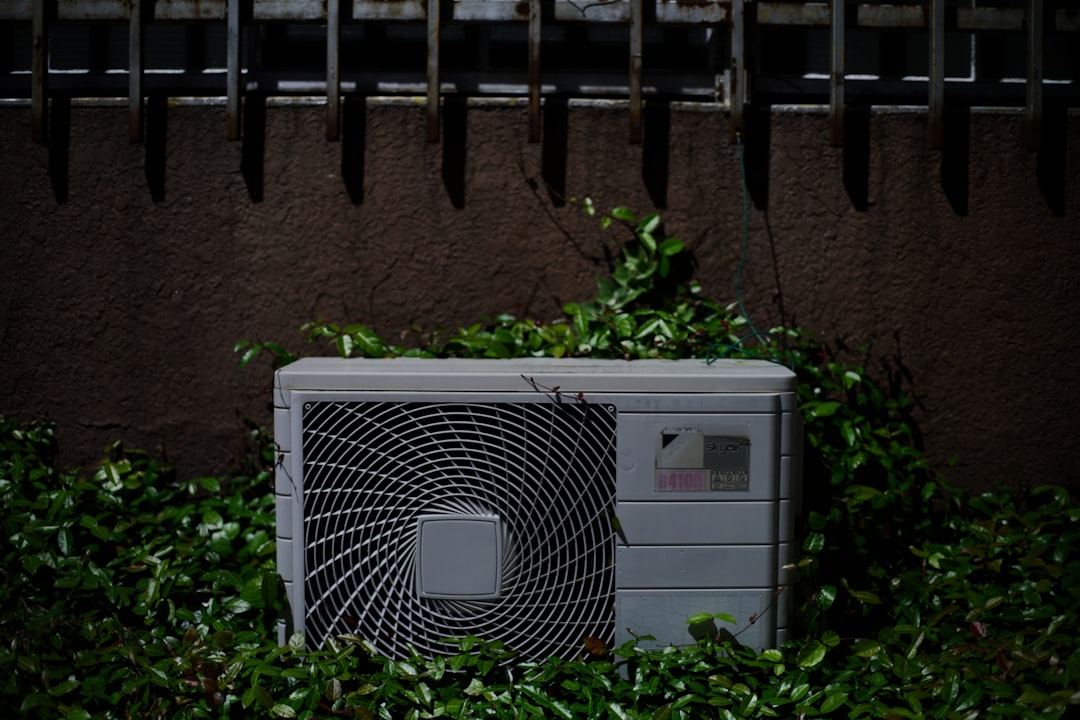
One of the most critical physical safeguards is clearing the area. You should maintain a 10-foot radius of "clear space" around your outdoor unit. This means removing loose rocks, trimming branches, and ensuring that nearby landscaping won't become a projectile hazard.
In Baton Rouge and surrounding areas like Gonzales and Denham Springs, "securing the unit" means more than just checking the screws. High winds can actually shift or overturn a condenser if it isn't properly anchored.
If you live in a flood-prone area of St. Gabriel or Walker, elevation is your best friend. Ideally, your outdoor unit should be on a sturdy platform at least two feet above the base flood elevation. If your unit is currently sitting low, talk to a professional about raising it onto a concrete or metal stand.
Beyond elevation, you can use sandbags to divert water flow away from the unit's base. However, never wrap the unit tightly in plastic if there is a chance of it being submerged, as this can trap moisture and silt inside the electrical compartments. Solving AC Drainage Issues is also vital; ensure your yard’s gutters and drains are clear so water doesn't pool around your Heat Pumps or condensers.
When a hurricane watch is issued, it's time to move from "maintenance mode" to "action mode." One of the most effective "hacks" in any hurricane season hvac preparation guide is the concept of pre-cooling.
About 12 to 24 hours before the storm is expected to hit, turn your AC down several degrees lower than usual (some experts suggest as low as 68°F). This effectively turns your home into a "cool-storage battery." By lowering the temperature of the air, furniture, and walls, your home will stay comfortable much longer once you are forced to turn the power off or if the grid fails. Keep blinds and curtains closed to trap that cool air inside.
If you have window units or portable air conditioners, remove them entirely. These units create a weak point in your home's envelope, allowing wind and rain to enter. Store them in a garage or closet until the storm passes. This is also a good time to check your Heating Services components if they are located in an attic or crawlspace to ensure they are high and dry.
This is the most important safety step: Turn off the power.
Do not just turn the AC off at the thermostat. Go to your main electrical panel and flip the circuit breaker labeled "AC" or "HVAC" to the OFF position. This physically disconnects the system from the grid. If the power lines outside are hit by lightning or if the transformer explodes, your expensive HVAC components will be safe from the resulting surge.
If you don't have whole-home surge protection, now is the time to consider it. Individual surge protectors for your AC unit can save you from a total system loss. If you find yourself in a situation where the system was left on during a surge, you may need 24 Hour AC Repair Central LA to get things running again safely.
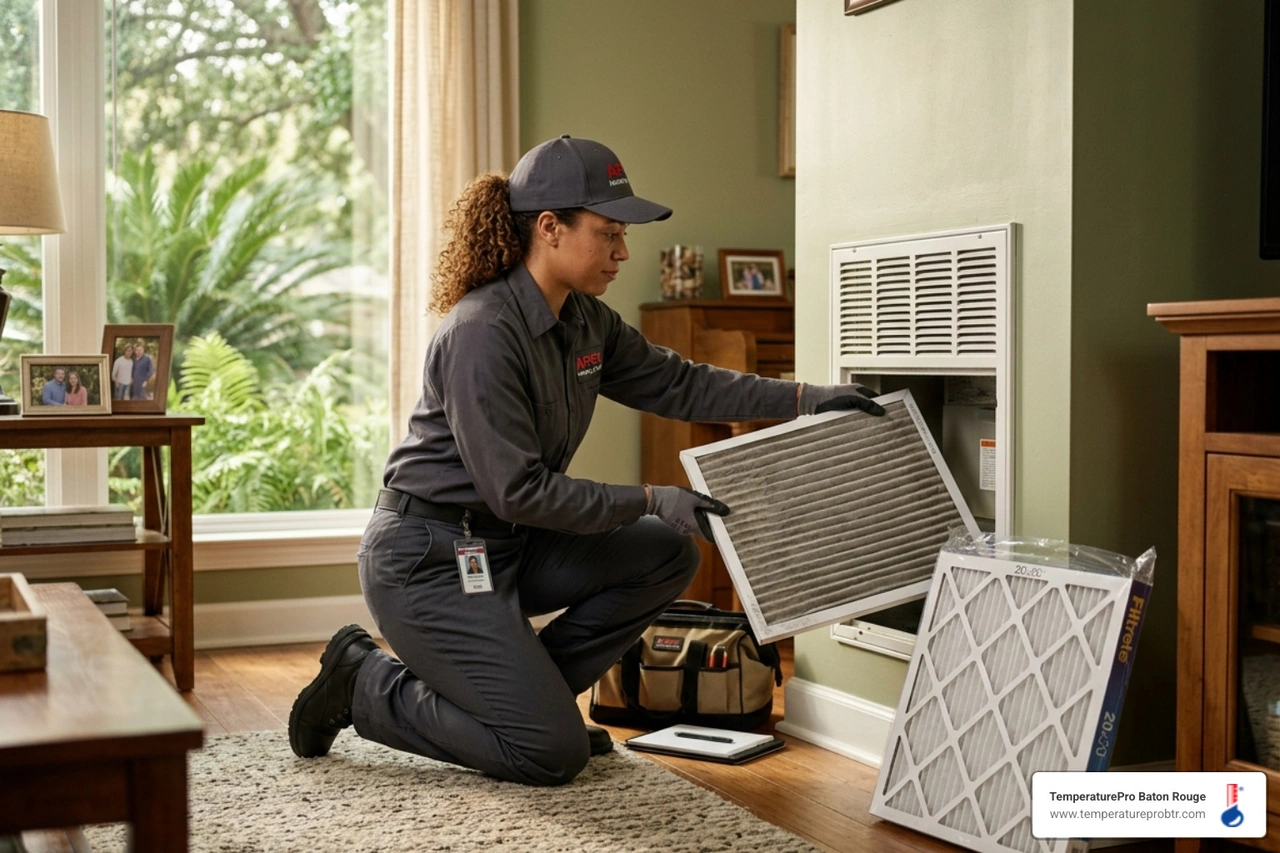
Once the storm has passed and it is safe to go outside, do not immediately flip the breaker back on. A rushed restart can cause more damage than the storm itself. Follow this inspection protocol first:
| Feature | DIY Visual Inspection | Professional Diagnostic Assessment |
|---|---|---|
| Check Fins/Casing | Look for dents or debris | Straighten fins and check structural integrity |
| Electrical | Check for tripped breakers | Test voltage, capacitors, and contactors |
| Refrigerant | Look for visible oil/leaks | Pressure test and check charge levels |
| Drainage | Clear visible leaves | Flush condensate lines and treat for mold |
| Internal Parts | Not recommended | Inspect compressor and fan motor health |
If you notice Key Signs Your HVAC Needs Urgent Repair or Replacement, such as unusual grinding noises or a failure to start, keep the power off. You may need to How to Decide Between AC Repair and Replacement depending on the severity of the flood or surge damage.
This is a common question in our hurricane season hvac preparation guide. FEMA and many experts recommend covering the outdoor unit with a plywood enclosure or a heavy-duty tarp only if the system is completely powered off. The goal is to protect against flying debris. However, never use a cover while the unit is running, as it will burn out the compressor in minutes. Also, avoid using airtight plastic wrapping for long periods, as this traps moisture and can lead to rust or mold growth. Commercial HVAC Maintenance Importance research shows that moisture management is key to preventing long-term equipment degradation.
We recommend waiting at least 20 to 30 minutes after the lights come back on. When power is first restored to a grid after a major outage, voltage can fluctuate wildly as transformers and substations stabilize. These fluctuations can be hard on your compressor. Additionally, many modern units have a 5-minute safety delay built-in; if yours doesn't start immediately, give it time to settle.
Generally, yes, if the damage is caused by wind or flying debris. However, "flood damage" (rising water from the ground) often requires a separate flood insurance policy. To make the claim process smoother:
Preparing for hurricane season in Baton Rouge, LA, is about peace of mind. By following this hurricane season hvac preparation guide, you aren't just protecting a machine; you're protecting your family's comfort and safety during a stressful time.
At TemperaturePro Baton Rouge, we are a family and veteran-owned company that understands the unique challenges of Louisiana weather. Whether you need a pre-season tune-up in Prairieville, a surge protector installation in Central, or an emergency repair in Zachary, we treat every customer like family. Our team is ready to provide the HVAC Services and Our Services you need to weather any storm.
Don't wait for the next tropical update to start your preparation. Take the steps today to ensure your home stays cool when you need it most.
Go With Experience